
Indoor Pest Treatment
Professional indoor pest treatment that eliminates infestations at the source and keeps your home pest free year round. Contact us for a free quote and learn more about how we can help address your pest control needs.
(855) 813-5412
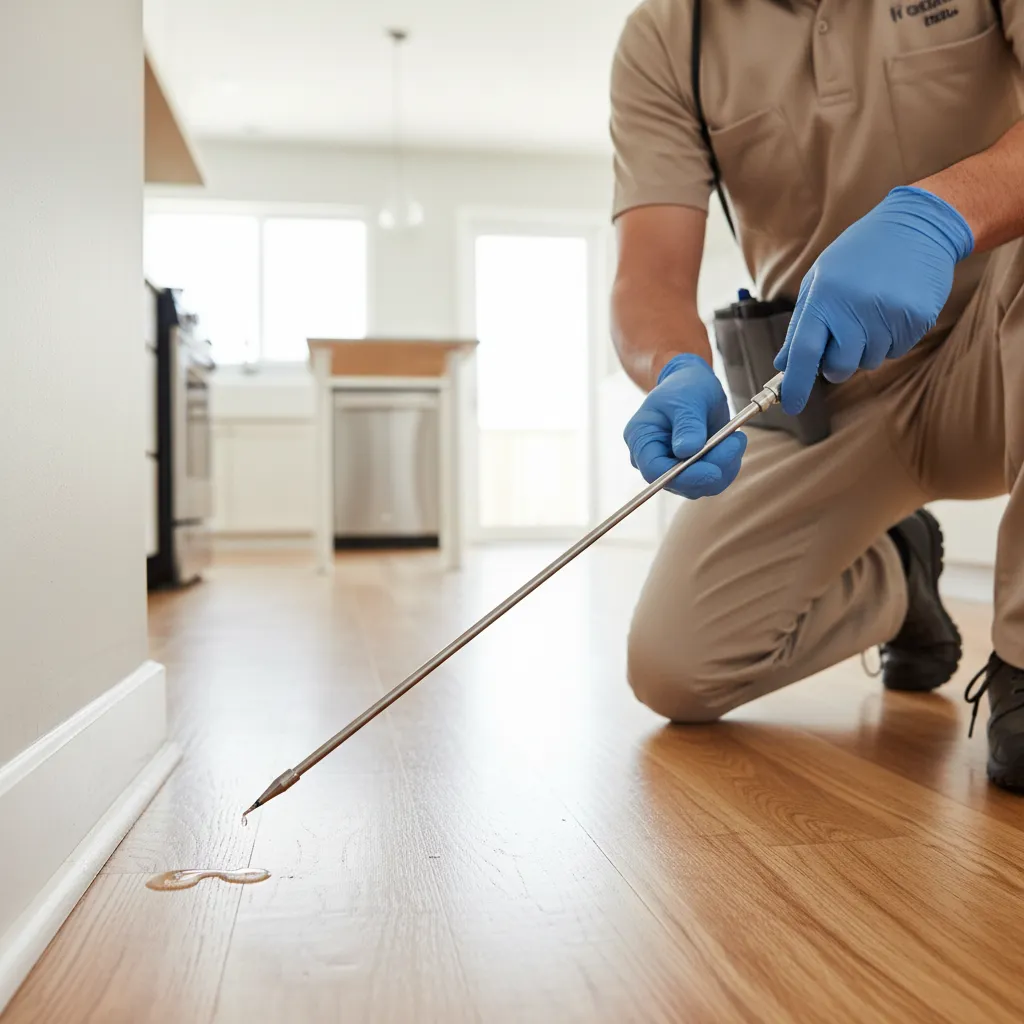
5 Highlights of Our Indoor Pest Treatment
Targeted crack and crevice treatment
Our certified pest control technicians apply gel bait, residual insecticide, and dust formulations directly into baseboards, wall voids, and entry points where cockroaches, ants, and silverfish harbor and breed.
Integrated pest management approach
Sterling Pest Control follows IPM protocols that combine inspection, monitoring stations, exclusion methods, perimeter treatment, and selective pesticide application to control infestations with minimal chemical exposure inside your living spaces. Our approach also targets mosquito breeding areas and other outdoor pests that may enter your home.
Bed bug and flea elimination
We deploy heat treatment alongside spot treatment applications using professional grade pyrethroid and fipronil products to eradicate bed bugs, fleas, and their larvae from mattresses, carpeting, and upholstered furniture.
Rodent control and exclusion
Our indoor pest treatment program includes tamper resistant bait stations, snap traps, and structural sealing of cracks, pipes, and gaps with sealant and mesh screen to prevent mice and rats from reentering.
EPA compliant products and safety
Every insecticide, rodenticide, and IGR we apply indoors meets EPA safety standards. We provide a safety data sheet for each product and follow strict reentry guidelines to protect your family and pets.
Why Choose Our Indoor Pest Treatment
Indoor pest treatment is the frontline defense against insects and rodents that invade your living spaces. Sterling Pest Control delivers this service with licensed, certified technicians who carry years of field experience treating residential and commercial properties across every season.
We don’t guess. Every indoor pest treatment starts with a thorough inspection report that documents the species, severity of infestation, entry points, and conducive conditions. Your technician then builds a tailored treatment plan specific to your property. Let us handle the details – that plan might call for gel bait in kitchen crevices, void treatment behind electrical outlets, aerosol application in crawl spaces, or bait stations along basement walls. The approach matches the pest.
Sterling Pest Control backs every indoor treatment with a service contract, warranty, and money-back guarantee. If pests return between scheduled follow up visits, we retreat at no additional cost. Our team uses professional grade products – not retail sprays – applied with calibrated sprayers, dusters, and foggers that reach where pests actually live.
We’re a trusted, top rated pest control company with full licensure and certification working to remove pests and keep them out for good. Our technicians wear protective suits, respirators, gloves, and goggles during every application. We ventilate treated areas properly and communicate reentry times clearly. You get expert indoor pest treatment that’s thorough, safe, and guaranteed.
Signs You Need Indoor Pest Treatment
Droppings along baseboards and in cabinets:
Small dark pellets near food storage areas, under sinks, or along wall edges indicate an active rodent or cockroach population. Mouse droppings are rice shaped. Cockroach droppings resemble ground pepper. Either one signals a colony feeding and breeding inside your walls.
Frass or sawdust piles near wood structures:
Termites and wood boring beetles produce frass – fine powdery debris – as they gnaw through structural lumber, door frames, and cabinetry. If you spot small piles of this material on floors or windowsills, insects are actively damaging your home’s interior and you need a professional indoor pest treatment assessment. Our termite control and termite treatment services can address these issues before the damage spreads.
Bites or skin reactions appearing overnight:
Waking up with itchy red welts in clusters or lines often points to bed bugs, fleas, or mites. Bed bugs nest in mattress seams and box springs. Fleas breed in carpet fibers. Both reproduce rapidly, and a single pregnant female can produce hundreds of offspring within weeks without targeted treatment.
Live insects scurrying when lights turn on:
Cockroaches, silverfish, and centipedes are nocturnal. Seeing them scatter at night means the infestation has grown large enough that harborage areas are overcrowded. A visible population at night typically represents a much larger hidden colony inside wall voids, ductwork, and drain pipes.
Unusual musty or oily odors in enclosed rooms:
Large cockroach infestations produce a distinct oily smell. Rodent urine creates a stale ammonia odor in attics, basements, and crawl spaces. These scents indicate a persistent, established infestation that requires professional indoor pest treatment — not a can of spray from the hardware store.
Our Indoor Pest Treatment Process
Indoor pest treatment is a structured, multi step service designed to identify, eliminate, and prevent pest activity inside your property. Here’s how Sterling Pest Control handles it from start to finish.
Inspection and identification
A certified pest control technician inspects every room, focusing on kitchens, bathrooms, basements, attics, crawl spaces, and utility areas. We check cracks, crevices, drains, pipes, wall voids, and ductwork. We identify the pest species, locate nests or colonies, and document all findings in a detailed inspection report.
Treatment plan development
Based on the inspection, we build a customized treatment plan. This plan specifies which products to apply, where to apply them, and what methods to use — whether that’s crack and crevice treatment, gel bait placement, dust formulation in voids, aerosol application, or bait station installation.
Application
Our technician applies all products according to label directions and EPA guidelines. We treat baseboards, entry points, harborage zones, and high activity areas using professional sprayers, dusters, and targeted nozzles. For severe infestations, we may deploy foggers or perform a full heat treatment.
Exclusion and sealing
We seal cracks, gaps around pipes, and openings with sealant, mesh screen, and door sweeps. This exclusion work stops pests from reentering after treatment.
Monitoring and follow up
We place monitoring stations in key areas and schedule a follow up visit to assess results, reapply products if needed, and confirm the infestation is resolved.
Brands We Use
Indoor pest treatment requires professional grade products that outperform anything on retail shelves. Sterling Pest Control selects formulations from the industry’s most trusted manufacturers to deliver reliable, lasting results inside your home.










Each product carries full EPA registration and comes with a safety data sheet we keep on file. Every indoor pest treatment meets or exceeds state and federal safety requirements.
Other Services
Indoor pest treatment
Interior pest control service
Crack and crevice treatment for homes
Indoor pest control
Inside home extermination
Residential insect treatment
Indoor exterminator
Home pest removal service
Baseboard and wall void pest spray
Indoor bug treatment
Interior insect elimination
Gel bait and bait station placement
Indoor rodent control
Inside mouse and rat removal
Integrated pest management indoors
FAQs About Indoor Pest Treatment
What does indoor pest treatment include?
Indoor pest treatment covers a full inspection of your home’s interior, identification of pest species, targeted application of insecticides or rodenticides in harborage areas, placement of bait stations and traps, exclusion work to seal entry points, and scheduled follow up visits to monitor results. The specific products and methods depend on the type of pest and the severity of the infestation.
When should I schedule indoor pest treatment?
Schedule treatment as soon as you notice droppings, live insects, bite marks, or damage to food packaging and wood structures. Pest populations reproduce fast. A small ant trail or a single cockroach sighting often means a larger colony is already established inside wall voids or under appliances. Early treatment prevents a minor problem from becoming a full infestation.
How long does an indoor pest treatment take?
Most residential indoor treatments take between 45 minutes and two hours. Larger homes, severe infestations, or multi pest situations may require additional time. Heat treatments for bed bugs can run six to eight hours depending on the square footage.
Can I stay home during indoor pest treatment?
It depends on the products applied. Many of our targeted treatments — gel baits, bait stations, dust formulations in enclosed voids — allow you to remain home. Fogging or aerosol applications in open areas may require you to vacate for two to four hours while the space ventilates. Your technician will give you specific reentry instructions before starting.
Does indoor pest treatment work on all pests?
Yes. Sterling Pest Control treats cockroaches, ants, bed bugs, fleas, spiders, silverfish, termites, moths, crickets, centipedes, mice, rats, and other common indoor pests. Each species requires a different approach. That’s why we inspect and identify first, then build a treatment plan matched to the exact pest invading your home.
How often should I get indoor pest treatment?
For preventive control, quarterly treatments keep most homes pest free. Properties with recurring or seasonal infestations — especially in humid climates or older structures with many entry points — benefit from bimonthly service. Your service contract outlines the recommended schedule based on your property’s specific conditions.
Ready to Get Rid of Pests?
Contact Sterling Pest Control today for a free inspection and estimate. Our expert team is standing by 24/7 to help protect your home.