
Commercial Pest Control
Professional pest management solutions built for businesses that can’t afford downtime from infestations – giving you peace of mind and addressing your unique needs
(855) 813-5412
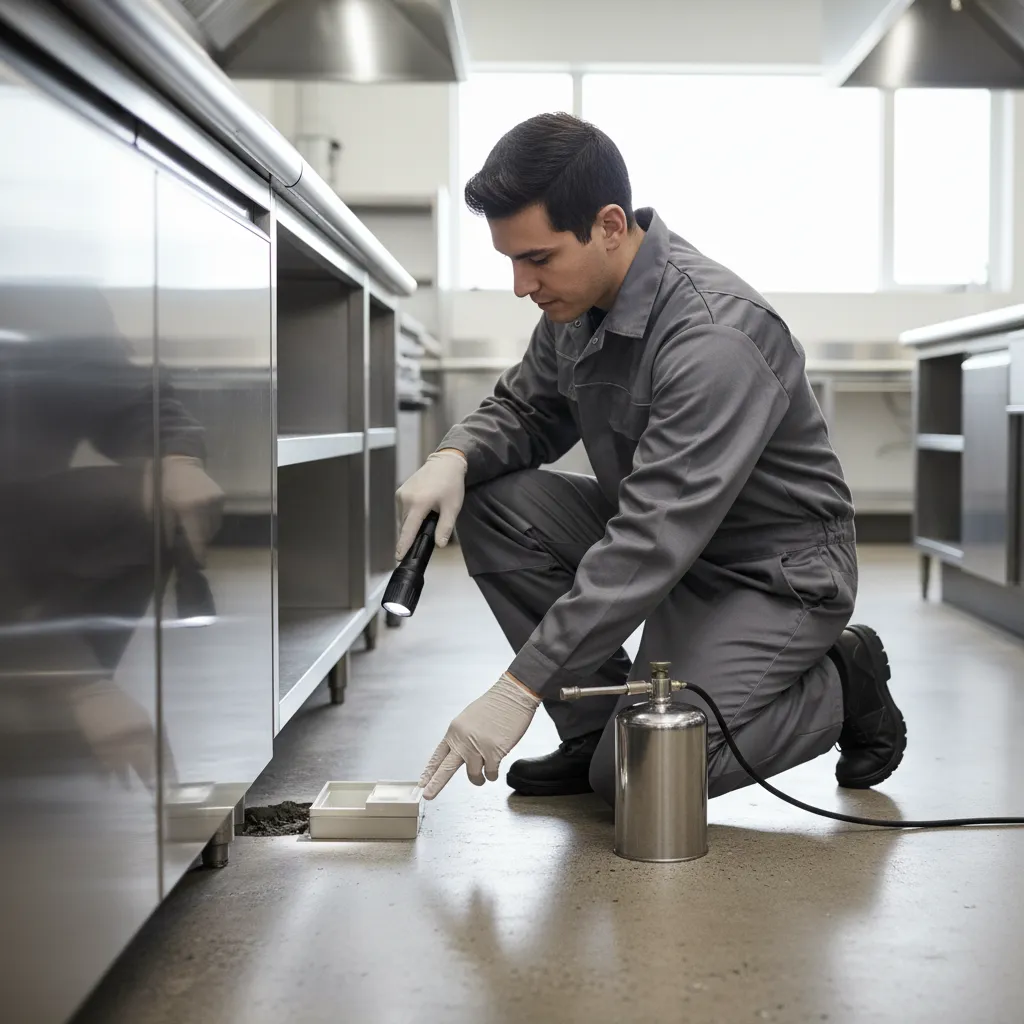
5 Highlights of Our Commercial Pest Control
Licensed technicians certified in Integrated Pest Management (IPM)
Our commercial pest control team holds state certifications and EPA compliance credentials, so every treatment plan meets regulatory standards for your industry. We take a safe, eco-friendly approach, ensuring protection for your environment while using documented protocols that satisfy health department audits.
Customized pest management plans for every facility type
Warehouses, restaurants, office buildings, and healthcare facilities each face different pest pressures. Our services include a full range of solutions covering common pests, including spiders and other nuisance insects. We assess your property’s unique vulnerabilities and design a service agreement that targets the specific rodents, cockroaches, termites, or flying insects threatening your operation.
24/7 emergency response for active infestations
A cockroach sighting during business hours can shut you down. Call us for prompt help when you need it. Our commercial pest control crews use proven methods and deploy within hours to handle, contain, treat, and eliminate active colonies before they spread to adjacent areas.
Discreet service vehicles and after hours scheduling
We fumigate, bait, and spray on your timeline. Most commercial clients prefer treatments during off hours, and our technicians arrive in unmarked vehicles to prioritize protection for your brand reputation. We care about keeping your business image intact.
Quarterly monitoring with detailed inspection reports
Each visit includes a full perimeter survey, interior inspection, and written report documenting pest activity levels, treatment applications, and corrective recommendations for structural exclusion. We help you keep your facility pest-free with long-term strategies that address potential entry points.
Why Choose Our Commercial Pest Control
Commercial pest control is a compliance requirement, not a luxury. Sterling Pest Control has served businesses across multiple industries for years, and we’ve built our reputation on measurable results, expertise, and transparent communication. You can trust our commitment to integrity in every service we provide.
Our technicians are licensed, background checked, and trained in the latest commercial treatment methods — from gel bait applications for cockroach colonies to heat treatments for bed bug infestations in hospitality settings. Unlike residential pest control, commercial work requires extra attention. Every trained pest control technician on our team carries current certifications in pesticide application and Integrated Pest Management, ensuring they’re working to the highest standards.
We don’t sell one size fits all contracts. Your pest management plan starts with a thorough property assessment. We focus on surveying entry points, identify harborage areas, check crawl spaces and utility penetrations, and document every finding. Then we build a treatment plan that addresses your specific pest pressures using the least toxic effective methods. We recommend solutions beyond traditional approaches to prevent recurring problems with a friendly, proactive strategy.
Our service agreements include a warranty. We offer lasting pest protection — if pests return between scheduled visits, we return at no additional charge and you’re fully covered. That guarantee backs every commercial pest control contract we write.
Sterling Pest Control also maintains full liability insurance and provides Safety Data Sheets for every product we apply on your property. Our services help ensure your facility manager, corporate safety officer, and health inspector all get the documentation they need. We comply with local, state, and federal regulations — every time, every property — making sure you have the right records on file.
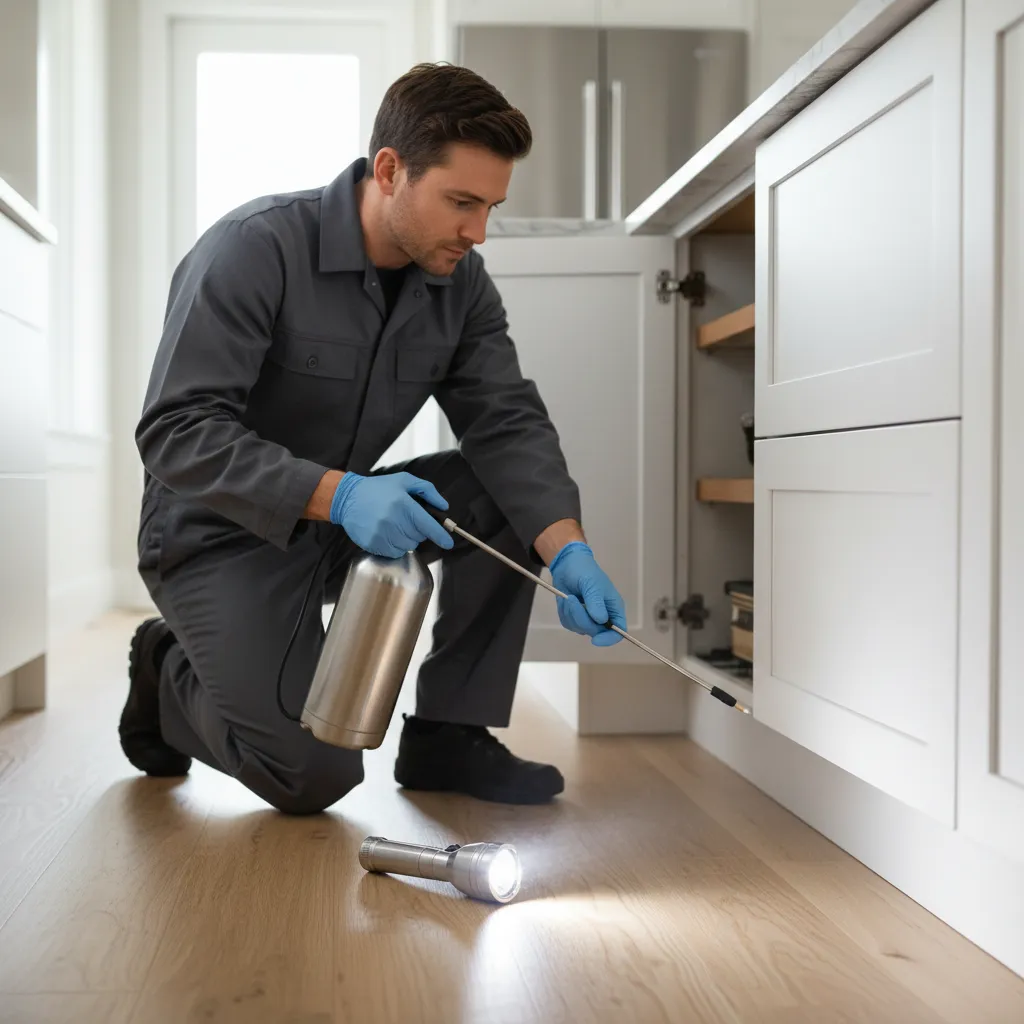
Signs You Need Commercial Pest Control
Commercial pest control becomes urgent when you spot any of these five warning signs in your facility. Ignoring them costs more than the treatment, making prompt action the smarter investment.
Droppings or frass in storage areas:
Rodent droppings found near food stock, along baseboards, or inside electrical panels signal an active rat or mouse population. Droppings carry bacteria that can spread diseases throughout your facility. Frass — the sawdust like debris termites leave behind — indicates a colony is already feeding on your building’s structural wood and requires termite control. Both require immediate inspection and corrective treatment before contamination spreads.
Employee or customer complaints about pest sightings:
A single cockroach on a restaurant floor or a mouse darting across an office breakroom triggers complaints that escalate fast. Nocturnal pests like roaches and rats are most visible during the day only when populations have become large enough to force them from harborage areas, creating living conditions that are far from welcoming. Daytime sightings mean the infestation is well established.
Unusual odors in enclosed spaces:
A musty, oily smell in a crawl space or basement often points to a large cockroach colony. A sharp ammonia scent near walls or ceilings suggests rodent urine accumulation. These hidden odors indicate pest populations have been breeding undetected and pose serious health risks, including disease transmission and allergic effects. The contaminated areas need professional disinfection alongside pest elimination.
Damaged packaging, gnawed wiring, or chewed insulation:
Rats and mice gnaw constantly. They’ll chew through product packaging, electrical conduit, and HVAC insulation. This damage can cause fire hazards, product loss, and code violations — and lead to serious risk if left unchecked. A commercial pest control technician can take action to identify the species, locate the burrow or nesting site, and seal the entry points with exclusion mesh and sealant to create a protected perimeter.
Failed health or safety inspections:
If your facility received a citation for pest related violations, you need certified commercial exterminators to remediate the issue and document the corrective actions. If you’re looking for fast turnaround, request a consultation. Sterling Pest Control provides inspection reports formatted for regulatory review, so you can demonstrate compliance and get back to business.
Our Commercial Pest Control Process
Commercial pest control at Sterling Pest Control follows a structured, repeatable process designed for accountability, long-lasting suppression, and keeping your facility protected year-round.
Comprehensive Property Inspection
A licensed inspector surveys your entire facility as part of our free inspection — interior, exterior, roof line, foundation, loading docks, dumpster areas, and all utility penetrations. We identify active pest species, locate nests and entry points, and assess the severity of any existing infestation.
Customized Treatment Plan
Based on inspection findings, we develop a written pest management plan. This document specifies target pests, treatment methods, product selections, application schedules, and safety precautions. Fill out our form to request a free estimate, and you approve the plan before any work begins.
Initial Treatment
Our technicians execute the plan using targeted treatments and advanced methods — crack and crevice treatments for cockroaches, bait stations for rodents, perimeter sprays for ants, and exclusion sealing for structural gaps. We apply insecticides, rodenticides, and biopesticides according to label directions and IPM principles to effectively reduce pest populations.
Monitoring and Follow Up
We install monitoring stations at strategic points throughout your facility, making time-consuming manual checks unnecessary. Pheromone traps, glue boards, and electronic monitoring devices track pest activity between service visits. Each follow up includes a documented inspection report.
Ongoing Prevention
Quarterly or monthly service visits maintain your pest free status, preventing new infestations from taking hold. We re-inspect, re-treat as needed, adjust bait stations, replace traps, and update your pest management plan based on seasonal pest migration patterns and any changes to your facility.
Brands We Use
Commercial pest control demands commercial grade products. Sterling Pest Control uses trusted, EPA registered brands that deliver reliable results in high stakes environments.








Every product we apply comes with a Safety Data Sheet available to your facility management team. Your employees’ safety and your customers’ health are built into every product decision we make.
Other Services
Commercial pest control
Business pest control services
Integrated pest management for businesses
Commercial exterminator
Professional pest extermination
Licensed pest control technician
Commercial pest management
Corporate pest control
Pest prevention for commercial buildings
Commercial pest inspection
Business pest assessment
Pest monitoring and detection services
Commercial pest control near me
Local commercial exterminator
Pest control service agreement
FAQs About Commercial Pest Control
What does commercial pest control cover?
Commercial pest control covers the inspection, treatment, monitoring, and prevention of pest infestations in business properties. This includes rodent control, cockroach elimination, termite treatment, ant management, bed bug remediation, and exclusion work to seal entry points. Contact us for a detailed estimate. Service agreements are tailored to your facility type and industry regulations.
When should a business schedule commercial pest control?
Schedule commercial pest control before a problem starts. Preventive service on a quarterly or monthly basis keeps pest populations suppressed year round. If you’re already seeing droppings, live pests, or structural damage, contact a commercial exterminator immediately for an emergency inspection and corrective treatment.
Why is commercial pest control different from residential service?
Commercial properties face stricter regulatory compliance requirements, larger square footage, higher foot traffic, and more complex structural layouts. Commercial pest control uses industrial grade products, more frequent monitoring, and documented treatment plans that satisfy health department and corporate auditing standards.
How often does a commercial facility need pest control service?
Most commercial facilities need monthly or quarterly service visits. Food service establishments, healthcare facilities, and warehouses storing organic materials often require monthly treatments. Office buildings and retail spaces may maintain pest free conditions with quarterly inspections and perimeter treatments.
Can commercial pest control be done without closing the business?
Yes. Sterling Pest Control schedules most treatments during off hours, weekends, or overnight shifts. Gel baits, bait stations, and targeted crack and crevice applications don’t require evacuation. Fumigation and fogging treatments do require temporary closure, but we coordinate timing to minimize your operational disruption.
Does Sterling Pest Control provide documentation for health inspections?
Every commercial pest control visit generates a detailed inspection report, treatment log, and product application record. We provide Safety Data Sheets, copies of our licenses and certifications, and corrective action documentation formatted for regulatory review.
Ready to Get Rid of Pests?
Contact Sterling Pest Control today for a free inspection and estimate. Our expert team is standing by 24/7 to help protect your home.