
Termite Control
Professional termite control services that exterminate colonies, prevent reinfestation, and safeguard your property’s structural integrity.
(855) 813-5412
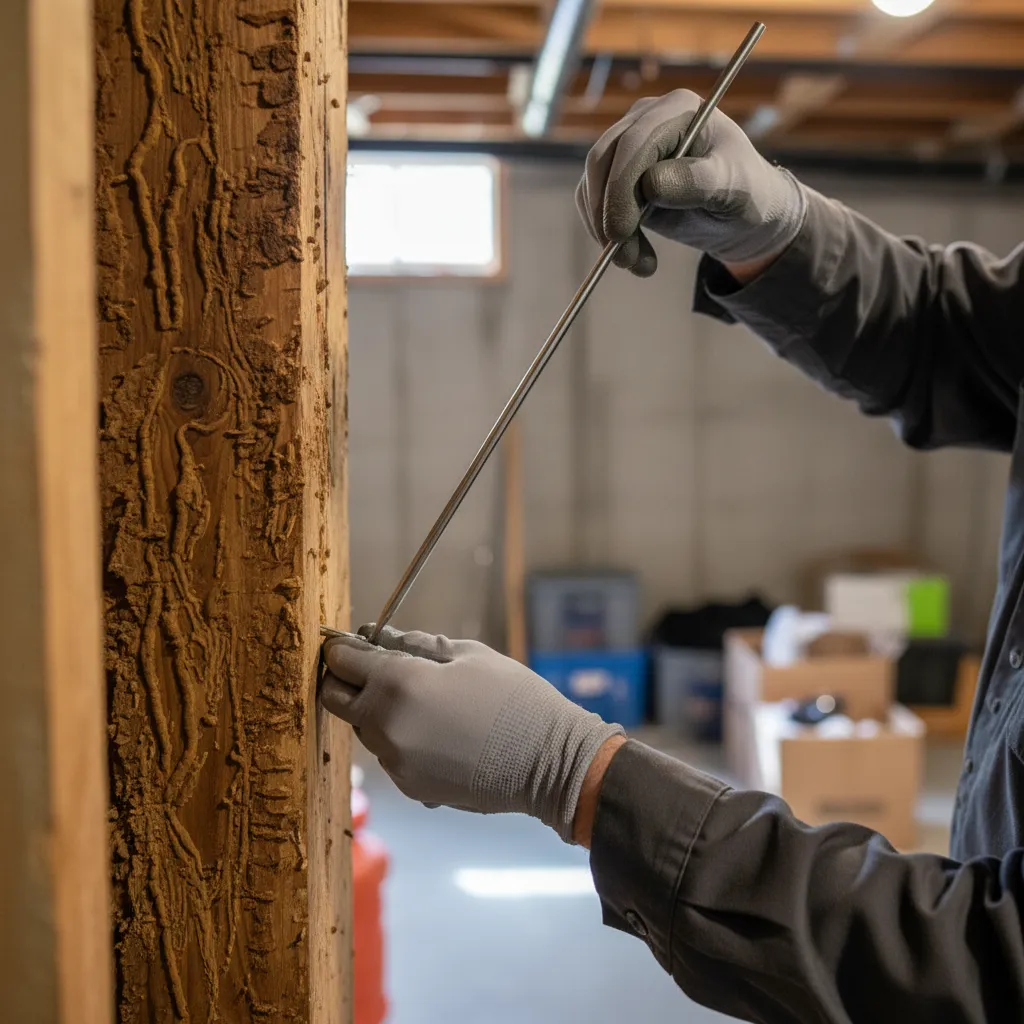
5 Highlights on Termite Control
Thorough Colony Elimination
Our certified technicians exterminate entire termite colonies using non-repellent termiticides and bait station systems. We don’t just treat the surface. We target the queen, workers, soldiers, and swarmers at the source to eradicate the full infestation.
Subterranean and Drywood Treatment
Sterling Pest Control treats both subterranean termite infestations that tunnel through soil and drywood termite colonies that bore directly into timber, joists, and sill plates. Each species demands a different approach, and we deliver both.
Pre-Construction and Post-Construction Barriers
We apply soil-applied liquid barriers during new builds and install perimeter treatments around existing foundations, crawl spaces, and slabs to prevent termite entry before damage starts.
Wood Destroying Organism Reports
Our licensed inspectors generate detailed WDO inspection reports for real estate transactions, refinancing, and regulatory compliance. Every report identifies active infestations, prior damage, and conditions conducive to future termite activity.
Renewable Warranty Protection
Each termite control service includes a transferable warranty backed by scheduled monitoring station checks and annual inspections that detect new activity early.
Our Termite Control Services:
Why Choose Our Termite Control
Termite control is a specialized discipline that requires licensed applicators, professional-grade termiticides, and field-tested protocols. Sterling Pest Control has built its reputation on delivering all three with precision and accountability.
Our technicians hold state certifications and complete ongoing training in Integrated Pest Management techniques specific to wood-destroying organisms. We carry full licensing for liquid-based barrier applications, bait-based colony suppression, and whole-structure fumigation. Not every pest control company can say that.
We use non-repellent termiticide formulations that termites can’t detect. Workers and foragers carry the active ingredient back to the colony, which eliminates the queen and collapses the reproductive cycle. This transfer effect is what separates expert termite control from surface-level spraying.
Sterling Pest Control backs every treatment with a written warranty and a structured monitoring schedule. If termites return during your coverage period, we retreat at no additional cost. Our inspection reports meet all regulatory agency standards, including requirements set by the Environmental Protection Agency.
We serve both residential and commercial properties. From single-family crawl spaces to multi-unit slab foundations, our team assesses each structure individually and recommends the most effective, least invasive treatment plan. You get a qualified partner who stands behind the work.
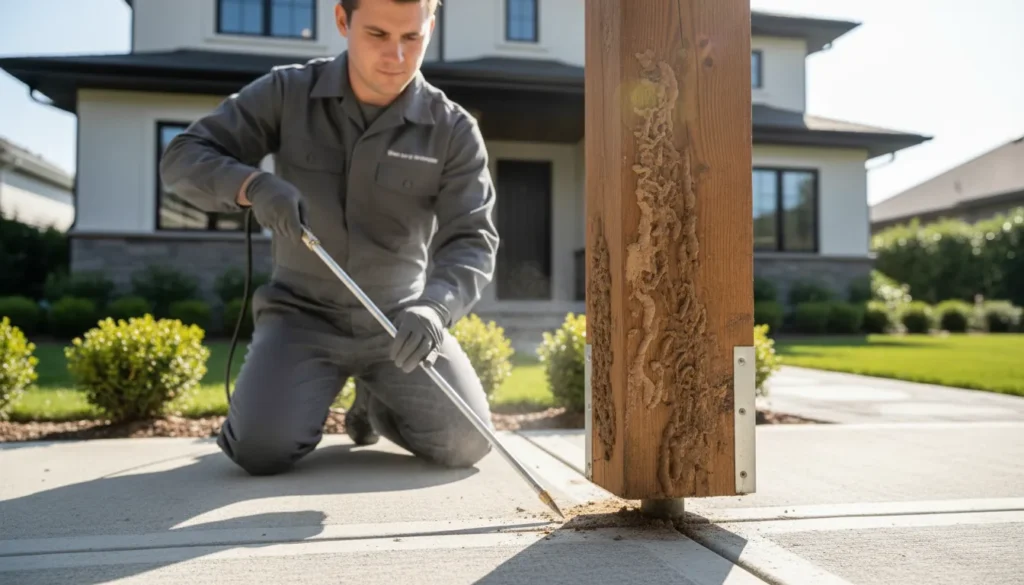
Signs You Need Termite Control
Termite control starts with recognizing the warning signs before structural damage becomes severe. Here are five indicators that your property may have an active termite infestation.
Mud Tubes on Foundation Walls:
Subterranean termites construct shelter tubes made of soil, saliva, and frass to travel between their underground colony and your home’s wood. These pencil-width mud tubes typically appear along foundation walls, piers, and crawl space supports. If you spot them, termites are actively foraging inside your structure.
Swarming Insects Near Windows or Lights:
Winged reproductive alates swarm in spring and early summer, often appearing near windows, light fixtures, and doorframes. Finding discarded wings on windowsills or floors signals that a mature colony is nearby and producing new queens and kings to establish satellite colonies.
Hollow or Damaged Wood:
Termites consume cellulose from the inside out. Tap on baseboards, door frames, joists, and studs. If the wood sounds hollow or crumbles under light pressure, worker termites have likely been tunneling through it for months. Visible galleries beneath the surface confirm active feeding.
Frass or Kick-Out Holes:
Drywood termites push fecal pellets called frass out of small kick-out holes in infested wood. These tiny, six-sided pellets accumulate in small piles beneath the holes. Frass deposits on subfloors, attic framing, or furniture indicate a localized drywood colony that needs immediate treatment.
Bubbling Paint or Moisture-Laden Drywall:
Termite activity behind walls traps moisture and produces condensation that causes paint to bubble, drywall to warp, and surfaces to feel damp. A moisture meter reading combined with a borescope inspection can confirm whether termites or water damage is the cause. Often, it’s both.
Our Termite Control Process
Termite control at Sterling Pest Control follows a structured, multi-phase process designed to identify, eliminate, and prevent infestations with documented results.
Comprehensive Inspection
A licensed inspector surveys your entire property, including the foundation, crawl space, attic, subfloor, sill plates, and exterior perimeter. We probe suspect wood, check for mud tubes and frass, and use moisture meters and borescopes to detect hidden termite activity behind walls and beneath slabs.
Species Identification and Assessment
We identify the termite species — subterranean, drywood, or dampwood — and assess the scope of the infestation. This determines whether we recommend a liquid barrier treatment, a bait station system, localized spot treatment, or whole-structure tenting and fumigation.
Targeted Treatment Application
Our certified applicators execute the treatment plan. For subterranean termites, we drill and inject termiticide into the soil along the foundation and install monitoring stations at strategic intervals. For drywood infestations, we apply localized treatments or tent the structure and fumigate with a regulated fumigant.
Exclusion and Prevention
We seal entry points, encapsulate crawl spaces where needed, and recommend vapor barriers or dehumidifiers to reduce moisture-laden conditions that attract termites. Preventive soil treatments around the perimeter create a lasting chemical barrier.
Monitoring and Warranty Activation
We activate your warranty, schedule recurring monitoring station inspections, and provide a complete inspection report. Each follow-up visit checks bait stations, probes treated areas, and confirms that the colony has been fully eradicated.
Brands We Use
Termite control effectiveness depends on the quality of the products applied. Sterling Pest Control uses only professional-grade, EPA-registered brands trusted across the pest control industry.






We follow all Environmental Protection Agency guidelines and state regulatory agency requirements for safe application, ventilation, and re-entry intervals.
Other Services
Termite control
Termite treatment services
Subterranean termite eliminationtreatment
Termite inspection
Termite damage assessment
Wood destroying organism report
Termite exterminator
Professional termite removal
Colony eradication service
Termite prevention
Preventive termite barrier
Soil applied termiticide treatment
Termite fumigation
Whole structure termite tenting
Drywood termite gas treatment
FAQs About Termite Control
What is termite control?
Termite control is the professional process of inspecting, treating, and preventing termite infestations in residential and commercial structures. It includes liquid barrier applications, bait station installations, fumigation, wood treatments, and ongoing monitoring to eliminate active colonies and stop future damage.
When should I schedule a termite inspection?
Schedule a termite inspection annually, before purchasing or selling a home, or immediately when you notice mud tubes, frass, swarming alates, hollow wood, or moisture damage. Early detection reduces repair costs and prevents widespread structural damage to joists, studs, and foundation components.
Why do termites keep coming back after treatment?
Termites return when the original colony wasn’t fully eradicated, when conducive conditions like moisture-laden soil or wood-to-ground contact persist, or when the chemical barrier breaks down over time. A professional termite control program with monitoring stations and renewable warranty coverage prevents recurring infestations.
How does bait-based termite control work?
Bait stations contain cellulose-based material laced with a slow-acting insect growth regulator like hexaflumuron or noviflumuron. Worker termites forage on the bait and carry it back to the colony, where it spreads to the queen, soldiers, and nymphs. The colony collapses within weeks to months.
Can I treat termites myself?
Over-the-counter sprays and repellent products rarely reach the colony. They may kill visible termites on the surface but leave the queen, workers, and reproductive alates intact underground or inside walls. Professional termite control requires specialized equipment, regulated termiticides, and licensed applicators to fully exterminate the infestation.
Does termite control damage my home?
No. Professional treatments are designed to be minimally invasive. Drill holes for soil injection are small and sealed after treatment. Bait stations sit flush with the ground. Tenting is temporary, and the fumigant dissipates completely after proper ventilation. Your technician explains every step before work begins. between scheduled visits, we re treat your home at no additional cost. Our maintenance plans include ongoing monitoring and guaranteed re treatment for the duration of your service agreement. We service California and all other states nationwide. All Rights Reserved.
Ready to Get Rid of Pests?
Contact Sterling Pest Control today for a free inspection and estimate. Our expert team is standing by 24/7 to help protect your home.