
Bed Bug Control
Professional bed bug treatment that eradicates infestations at every life stage – eggs, nymphs, and adults – using the most effective methods available
(855) 813-5412
5 Highlights on Bed Bug Control
Thermal remediation and residual spray combined
Sterling Pest Control applies a dual approach to bed bug treatment that pairs professional heat treatment with targeted pyrethroid applications. This effective way to eliminate active colonies is more effective than single-method approaches, preventing resurge across mattresses, box springs, and baseboards.
Canine inspection for pinpoint detection
Our certified detection dogs are trained to find bed bug harborage sites behind headboards, inside outlet covers, and along carpet seams with over 95% accuracy. They seek out hiding spots so treatment reaches every hidden crack and crevice.
All life stages eradicated
Our bed bug treatment targets eggs, nymphs, and engorged adults using insect growth regulators and desiccants like diatomaceous earth. These methods help kill bed bugs at every stage and reduce breeding activity – once eliminated, populations cannot spread.
Mattress encasement and post-treatment monitoring
After each service, we encase mattresses and box springs in certified covers and install interceptor traps placed beneath bed frame legs to monitor for any surviving live bed bug activity during follow-up visits.
Residential and commercial service coverage
Sterling Pest Control is a company that delivers bed bug treatment for apartments, hotels, dormitories, and shelters. We offer discreet scheduling, and our team follows protective equipment protocols with documented safety data sheets for every pesticide applied.
Our Bed Bug Control Services:
Why Choose Our Bed Bug Control
Bed bug treatment from Sterling Pest Control is backed by licensed technicians, a structured re-treatment warranty, and integrated pest management methods that work far beyond a single spray application. We have the best tools and techniques to deliver total eradication.
Our pest control operators hold state certification and complete ongoing entomology training specific to Cimex lectularius behavior. They understand how bed bugs migrate through wall voids, harbor inside tufting and seams, and have become resistant to broad-spectrum insecticides through genetic adaptation. That knowledge is used to make every treatment plan we build as effective as possible.
We don’t guess. We assess. Each bed bug service begins with a thorough inspection – visual and canine – to map infestation severity, identify harborage points, and determine the right combination of thermal remediation, residual insecticide, and desiccant dust. Keep in mind that our technicians document fecal stains, cast skins, and blood spots to establish clear population thresholds before applying a single product. This approach allows you to avoid low-quality treatments that miss the mark.
Sterling Pest Control includes a service contract with a written warranty on every bed bug treatment. If bed bugs resurge within the coverage window, we re-treat at no additional cost. We recommend scheduling follow-up visits to confirm knockdown, and we adjust the treatment plan based on interceptor trap data and re-inspection findings for your place.
We use EPA-registered products, maintain full safety data sheets on-site, and equip every technician with respirators, gloves, and coveralls. You get a trusted, professional bed bug treatment that’s safe for your family, your tenants, or your guests – with no risk to your belongings or any piece of furniture in your home.
Signs You Need Bed Bug Control
Bed bug treatment becomes necessary the moment you spot physical evidence of an active infestation. These five signs tell you it’s time to call a professional exterminator.
Bite marks in clustered patterns:
Bed bugs feed at night. They leave reddish, itchy welts – often in rows of three or four – on exposed skin along arms, shoulders, and necks. These bites trigger histamine responses and can cause allergic reactions, swollen welts, or secondary infection from scratching. A single bite doesn’t confirm an infestation, but recurring clusters do.
Fecal stains on bedding and mattress seams:
Small, dark spots that bleed into fabric like a marker tip are digested blood deposits from feeding bed bugs. Check along mattress tufting, pillowcase edges, box spring seams, and other fabrics. These stains accumulate near harborage sites where bed bugs nest between feedings.
Cast skins and exoskeletons near furniture joints:
Bed bug nymphs molt five times before reaching adulthood. Each molt leaves behind a translucent, oval-shaped exoskeleton. Finding cast skins along headboard joints, nightstand drawers, or baseboard gaps signals an established, breeding population.
Live bed bugs in cracks and crevices:
Adult bed bugs are wingless, flat-bodied, and reddish-brown – roughly the size of an apple seed. They hide during daylight inside outlet covers, behind picture frames, and within upholstery folds. Spotting even one live specimen means dozens more are likely embedded nearby.
A sweet, pungent odor in the bedroom:
Large bed bug colonies produce a musty scent from aggregation pheromones. If a room smells unusually stale despite regular cleaning, a hidden infestation may be the source. This odor intensifies as the population grows and bed bugs swarm into new harborage areas.
Our Bed Bug Control Process
Bed bug treatment at Sterling Pest Control follows a structured, multi-phase process designed to eradicate infestations completely and prevent reoccurrence.
Inspection and assessment
A licensed technician inspects the affected dwelling using a high-intensity flashlight, magnifying glass, and – when warranted – a certified detection dog. We examine mattresses, box springs, bed frames, baseboards, outlet covers, and upholstery. Every harborage site, fecal stain, and cast skin gets documented to map the infestation’s scope.
Preparation guidance
We provide a detailed checklist. You’ll launder all bedding and linens at high heat, declutter areas around beds and furniture, and vacuum carpets and seams thoroughly. Proper preparation lets our treatment penetrate every crack where bed bugs harbor.
Active treatment application
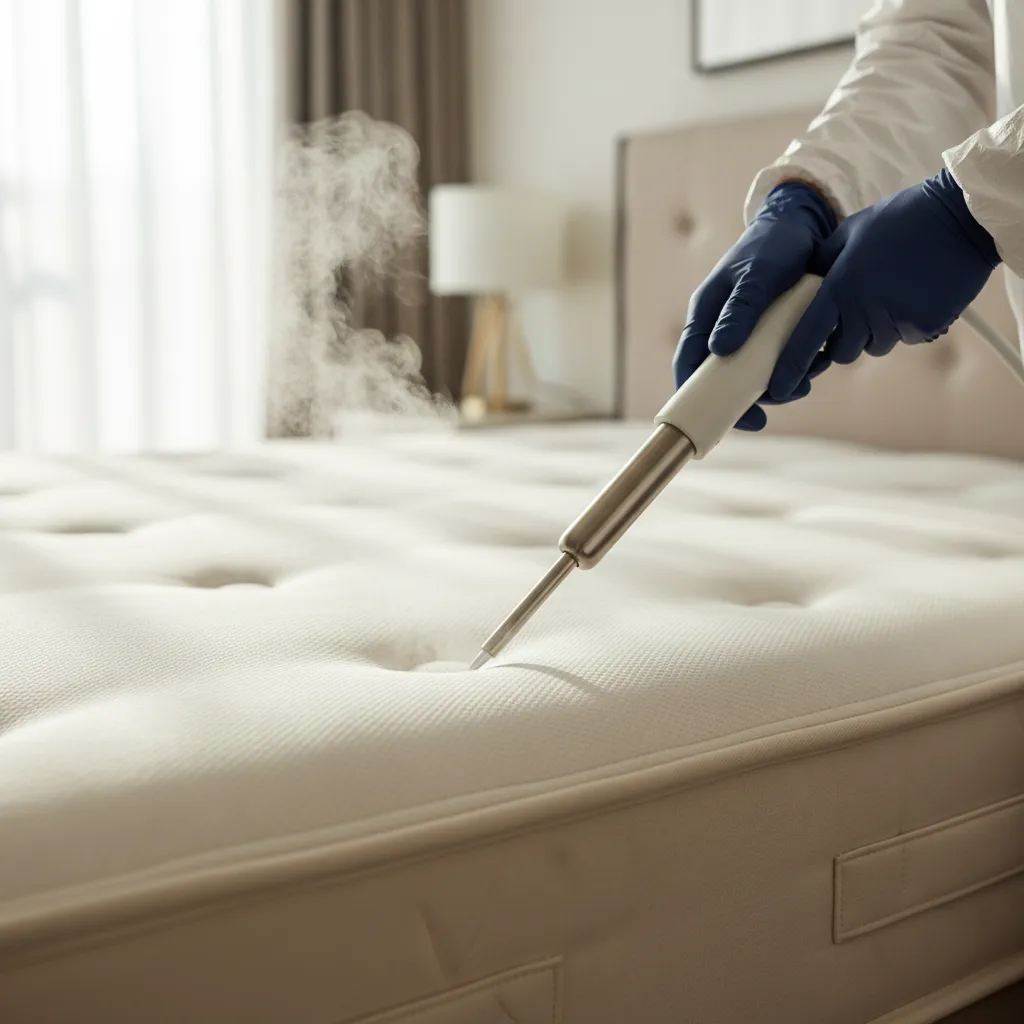
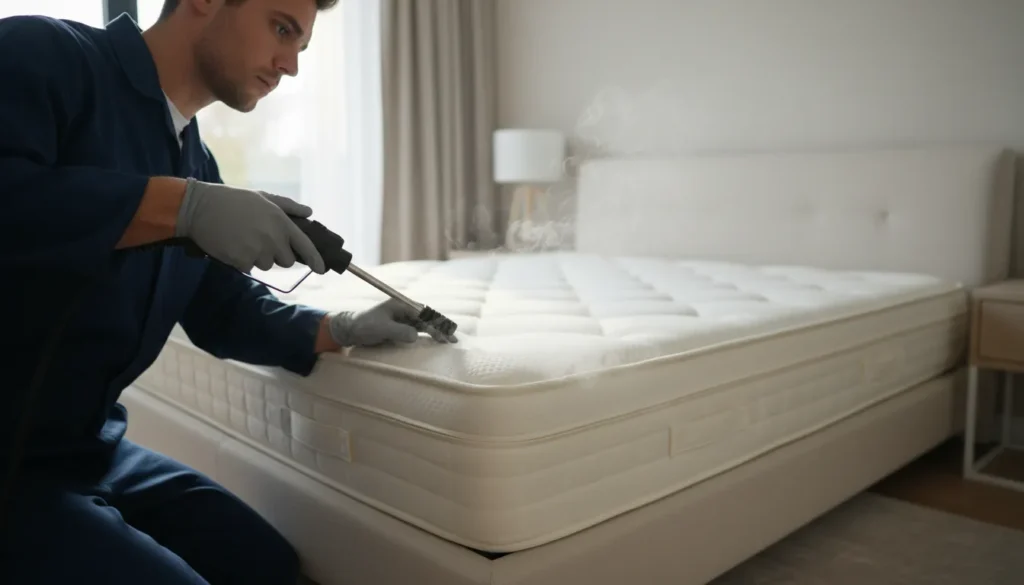
Our technicians apply a targeted combination of thermal remediation, residual pyrethroid spray, desiccant dust, and insect growth regulators. Heat chambers treat portable items. Steamers address mattress seams and tufting directly. Every product we apply is EPA-registered and selected based on the infestation’s severity.
Encasement and exclusion
We encase mattresses and box springs in certified bed bug-proof covers. Technicians seal cracks with caulk and install interceptor traps beneath bed frame legs to capture any surviving nymphs or adults attempting to feed.
Follow-up and re-inspection
We return within 14 days to re-inspect, check interceptor traps, and re-treat if needed. A second follow-up confirms full eradication. Every visit is documented under your service contract and warranty.
Brands We Use
Bed bug treatment requires professional-grade products from manufacturers that pest control operators trust for proven knockdown and lasting residual control. Sterling Pest Control applies products from these top-rated brands:





Every product we apply carries EPA registration and a current safety data sheet. We select products based on your infestation’s severity, the treatment environment, and any sensitivity concerns you share with us.
Other Services
Bed bug treatment
Bed bug extermination
Thermal remediation for bed bugs
Bed bug removal service
Bedbug elimination
Mattress encasement bed bugs
Professional bed bug control
Bed bug heat treatment
Cimex lectularius infestation
Bed bug inspection
Bed bug fumigation
Interceptor trap monitoring
Bed bug exterminator near me
Residential bed bug service
Integrated pest management bed bugs
FAQs About Bed Bug Control
What does bed bug control involve?
Bed bug treatment is a multi-step process that combines inspection, targeted insecticide application, thermal remediation, and follow-up monitoring. Technicians treat mattresses, box springs, bed frames, baseboards, and all identified harborage sites using residual sprays, desiccant dusts, and insect growth regulators. The goal is complete eradication across every life stage – eggs, nymphs, and adults.
When should I schedule bed bug control?
Schedule treatment the moment you confirm signs of an infestation: bite marks in clusters, fecal stains on bedding, cast skins near furniture, or live bed bugs in cracks and crevices. Bed bugs reproduce rapidly. A female lays up to five eggs per day. Delaying treatment allows the population to spread into adjacent rooms and furniture.
Why do bed bugs keep coming back after control?
Bed bugs resurge when eggs survive the initial application or when neighboring units harbor untreated colonies that migrate through wall voids and shared plumbing. Pyrethroid-resistant populations also require alternative treatment methods like desiccants or heat. Sterling Pest Control’s follow-up re-inspections and re-treatment warranty address these exact scenarios.
How long does a bed bug control take?
A standard bed bug treatment for a single bedroom takes two to four hours depending on infestation severity. Full-dwelling heat treatments may require six to eight hours to raise the interior temperature above the lethal threshold of 120°F and hold it long enough to kill all life stages.
Can I stay home during bed bug control?
You’ll need to vacate the treated area during application and for a specified re-entry period – typically two to four hours for residual spray treatments. Heat treatments require longer evacuation. Your technician will provide exact timing and ventilation instructions before service begins.
Does bed bug treatment kill eggs?
Yes. Every residential pest control service comes with a written warranty. If target pests return between scheduled visits, we re treat your home at no additional cost. Our maintenance plans include ongoing monitoring and guaranteed re treatment for the duration of your service agreement. We service California and all other states nationwide. All Rights Reserved.
Ready to Get Rid of Pests?
Contact Sterling Pest Control today for a free inspection and estimate. Our expert team is standing by 24/7 to help protect your home.