
Rodent Exclusion & Proofing
Professional rodent exclusion and proofing services that seal your property against rats, mice, and other wildlife for lasting pest-free protection. Our proven solutions help keep homes and businesses rodent-free year-round.
(855) 813-5412
5 Highlights on Rodent Exclusion & Proofing
Permanent Entry Point Sealing
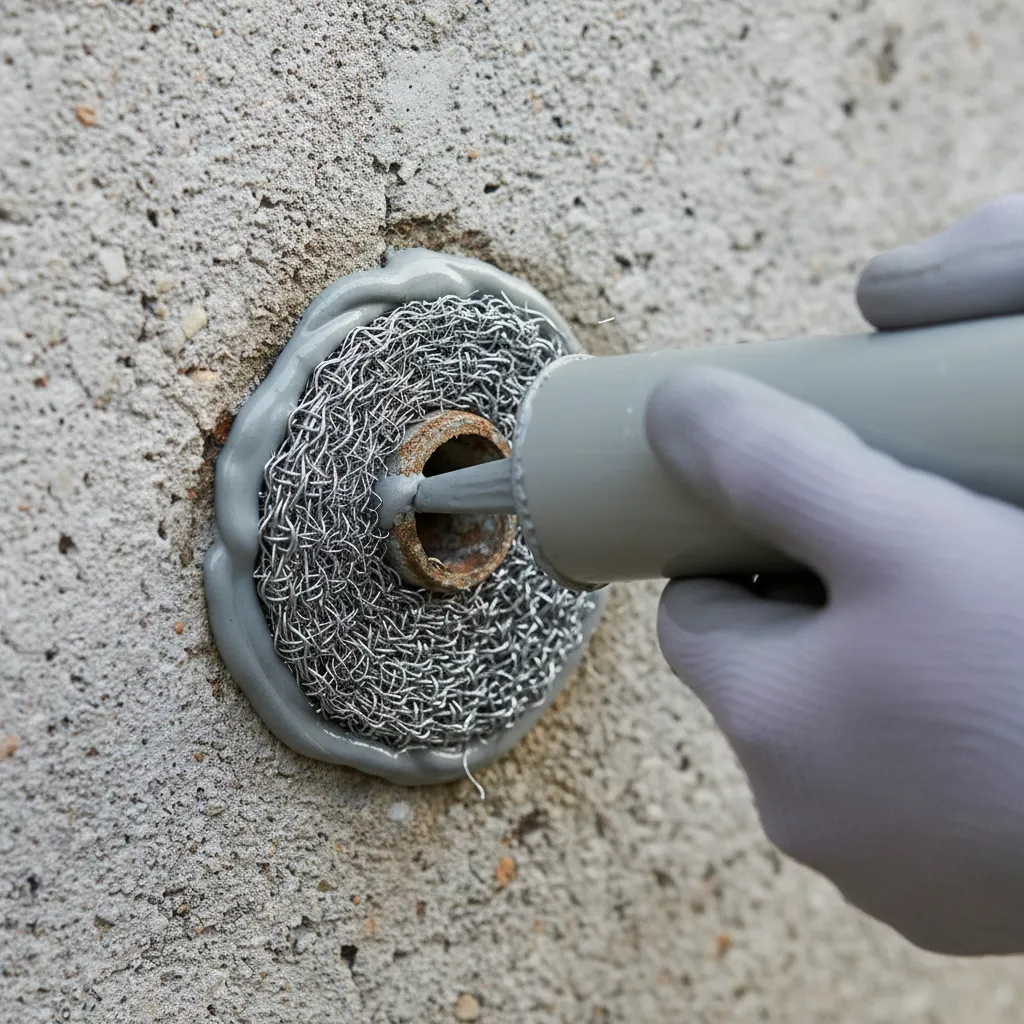
Our qualified technicians inspect every gap, crack, and crevice across your foundation, roofline, and utility penetrations to detect where pests gain access. We seal each entry point with gnaw-proof materials like copper mesh, steel wool, and commercial-grade sealants to block rodents permanently and ensure lasting protection.
Full Perimeter Defense Installation
Rodent exclusion covers your entire structure to keep your home protected. We install door sweeps, weatherstripping, vent covers, chimney caps, and escutcheon plates to create an airtight barrier that rats and mice can’t breach – keeping people and their homes safe from unwanted pests.
Humane, Non-Toxic Approach
Our rodent proofing process relies on mechanical exclusion rather than poison or rodenticide. Our eco-friendly methods keep your family, children, pets, and the surrounding environment safe while protecting your health and delivering vermin-resistant results.
Attic, Crawl Space & Basement Protection
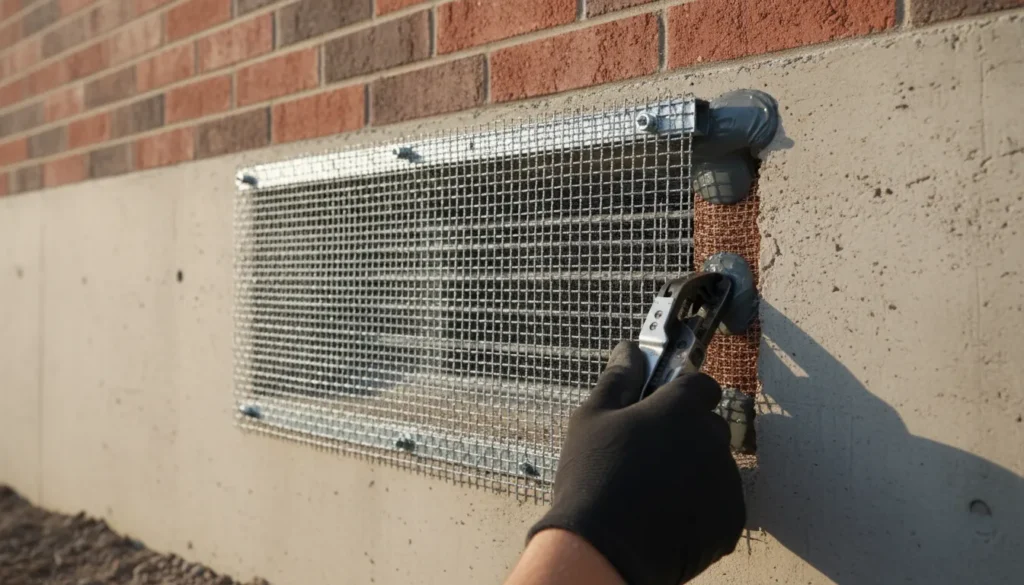
These are prime harborage zones where rodents nest and breed. We reinforce soffits, fascia, gable vents, ridge vents, and weep holes with hardware cloth and galvanized wire mesh to prevent rodent infestation and colonization in vulnerable areas.
Backed by Warranty
Every rodent exclusion service from Sterling Pest Control includes a written service agreement and follow-up monitoring for our customers. If rodents breach a sealed entry point during the warranty period, we handle the issue and return to repair it at no charge.
Why Choose Our Rodent Exclusion & Proofing
Rodent exclusion and proofing is the only long-term solution that stops infestations before they start. If you have a rodent problem, prevention is key. Sterling Pest Control has built a trusted reputation with years of experience delivering expert exclusion work that holds up season after season.
Our pest control technicians carry specialized training in structural rodent proofing. They understand where rats gnaw through expanding foam, where mice squeeze through quarter-inch gaps, and where squirrels chew past flimsy vent covers. That knowledge and experience dealing with these pests separates professional exclusion from a weekend caulk job.
We don’t just plug holes. We assess the full structure. Every inspection covers the foundation to the roofline, including pipe collars, utility penetrations, downspout guards, thresholds, and eaves. Our inspector documents each vulnerability identified in a detailed inspection report and builds a tailored treatment plan around your property’s specific needs and weak points.
Sterling Pest Control uses only commercial-grade, corrosion-resistant materials to provide lasting results. Copper mesh won’t rust. Galvanized hardware cloth resists gnawing. Metal flashing stands up to weather and persistent rodent activity alike. These aren’t temporary fixes.
Our team also integrates IPM (Integrated Pest Management) principles into every rodent exclusion project. That means we combine mechanical barriers with sanitation recommendations, monitoring stations, and habitat modification to remove the conditions that attract rodents in the first place. We recommend you keep areas clean and free of food debris to improve long-term results.
We’re licensed, insured, and award-winning. We offer a free inspection and quote – contact us today. Choose Sterling Pest Control for rodent exclusion and proofing that actually lasts.
Signs You Need Rodent Exclusion & Proofing
Rodent exclusion and proofing is the right service when you notice any of these five warning signs on your property. Each one signals that rodents have already found a way inside or are actively attempting to breach your structure. Take action and let us help before the problem worsens.
Droppings Along Walls and in Cabinets:
Fresh rodent droppings are dark, pellet-shaped, and often concentrated near food sources or along runways. Mouse droppings measure about a quarter inch. Rat droppings are larger and capsule-shaped. Finding them in your kitchen, pantries, attic, or basement confirms active rodent activity and means entry points exist somewhere in the structure. Droppings pose a health risk due to disease and contamination.
Gnaw Marks on Wiring, Wood, or Pipes:
Rats and mice chew constantly. Their incisors never stop growing. You’ll spot gnaw marks on electrical wiring, PVC pipes, wooden framing, furniture, and even expanding foam that was meant to seal a gap. This chewing causes wiring damage, insulation damage, and structural damage that compounds over time. Immediate action is needed.
Grease Marks and Rub Marks Along Baseboards:
Rodents follow the same paths repeatedly. Their oily fur leaves dark grease marks and rub marks along walls, baseboards, and around entry points. These marks show established runways and a recurring rodent presence coming through your building.
Scratching or Scurrying Sounds at Night:
Rats and mice are nocturnal. If you hear scratching in the attic, scurrying inside walls, or movement beneath the crawl space after dark, rodents have already colonized those voids. They’re nesting, breeding, and foraging inside your structure. Professional rodent removal and extermination may be needed.
Visible Gaps, Cracks, or Holes on the Exterior:
Walk your property’s perimeter. Look at the foundation, soffits, eaves, and areas where utility lines penetrate the wall. Any gap wider than a pencil eraser is large enough for a mouse to squeeze through for access. Rats need only a half-inch opening. Sealing entry points through professional rodent proofing ensures your property remains protected.
Our Rodent Exclusion & Proofing Process
Rodent exclusion and proofing at Sterling Pest Control follows a structured, repeatable control process. We design a plan to identify every vulnerability and seal it with the right material.
Comprehensive Inspection
A certified technician surveys your entire property during a comprehensive rodent inspection. We perform a full examination of the foundation, roofline, attic, crawl space, basement, garage, soffits, fascia, vents, and every utility penetration. We look for droppings, gnaw marks, nesting material, grease marks, and burrows. Every finding goes into a written inspection report.
Entry Point Identification
We locate and map each gap, crack, hole, and crevice that rodents could use to enter. Common breach points include pipe collars, weep holes, gable vents, ridge vents, door thresholds, and where HVAC lines pass through exterior walls.
Material Selection and Sealing
Each entry point gets sealed with the appropriate gnaw-proof material. We use steel wool and copper mesh for smaller gaps. Hardware cloth and galvanized wire mesh cover larger openings like vents and soffits. Metal flashing protects roof edges. Concrete and cement patch foundation cracks. We caulk with commercial-grade sealant and foam only when reinforced with chew-resistant backing.
Exclusion Device Installation
Where rodents are still active inside, we install one-way valves and exclusion devices. These let trapped rodents exit but prevent re-entry, removing them humanely. We also use monitoring traps to catch any remaining pests. No poison required.
Monitoring and Follow-Up
We place monitoring stations at key locations and schedule a follow-up inspection. Our team verifies that all sealed points remain intact and that no new rodent activity has occurred. We confirm rodents are not returning or coming back. Once the job is done, your warranty coverage begins at project completion.
Brands We Use
Rodent exclusion and proofing demands materials that hold up against persistent gnawing, weather exposure, and long-term wear. Sterling Pest Control works exclusively with trusted, professional-grade brands that meet those standards.






We never use materials that rodents can chew through within weeks. All products meet or exceed industry safety standards for residential and commercial applications.
Other Services
Rodent exclusion
Rodent exclusion service
Seal entry points rodents
Rodent proofing
Rodent-proof home
Mouse-proof building materials
Rat exclusion service
Professional rat proofing
Block rats from entering house
Mouse exclusion
Mice exclusion service
Prevent mice from getting inside
Rodent exclusion and proofing near me
Rodent proofing company
Pest control seal gaps cracks foundation
FAQs About Rodent Exclusion & Proofing
What is rodent exclusion and proofing?
Rodent exclusion and proofing is the process of sealing every gap, crack, hole, and structural vulnerability on a building to prevent rats, mice, and other rodents from entering. It uses physical barriers like steel wool, copper mesh, hardware cloth, metal flashing, and commercial-grade sealants rather than relying on poison or traps alone. It’s the most effective long-term mouse control and rodent control method available.
When should I schedule rodent exclusion?
Schedule it as soon as you notice signs of rodent activity – droppings, gnaw marks, scratching sounds, or grease marks along walls. Fall is a peak season because rodents seek shelter from dropping temperatures, but exclusion work is effective year-round. The sooner you seal entry points, the less damage rodents can cause to wiring, insulation, and structural components. Acting quickly will improve your results.
How does the rodent proofing process work?
A technician inspects your property from foundation to roofline, identifies every potential entry point, and seals each one with the appropriate gnaw-proof material. We install exclusion devices where rodents are still active inside, then set up monitoring stations and schedule follow-up visits to confirm the work holds and your property remains rodent-free.
Can rodents chew through expanding foam?
Yes. Rats and mice chew through standard expanding foam within days. That’s why Sterling Pest Control reinforces foam applications with copper mesh, steel wool, or hardware cloth. We never rely on foam alone as a rodent barrier.
Does rodent exclusion replace traditional pest control?
Rodent exclusion works best as part of an Integrated Pest Management approach. It eliminates the root cause – access – while trapping, baiting, and sanitation address existing populations. Sterling Pest Control combines exclusion with monitoring and habitat modification for complete, lasting rodent control.
Why is professional rodent proofing better than DIY?
Professionals identify entry points that homeowners miss. Mice fit through gaps as small as a quarter inch. Rats squeeze through half-inch openings. Our trained inspectors know every common and hidden breach point – pipe collars, weep holes, soffit gaps, ridge vents, and utility penetrations. We also use commercial-grade, chew-resistant materials that outlast hardware store products by years.
Ready to Get Rid of Pests?
Contact Sterling Pest Control today for a free inspection and estimate. Our expert team is standing by 24/7 to help protect your home.