
Squirrel Removal & Exclusion
Professional squirrel removal and exclusion services designed to help you rid your house of nuisance wild animals, seal your home, and keep wildlife out for good.
(855) 813-5412
5 Highlights on Squirrel Removal & Exclusion
Licensed Wildlife Control Operators
Sterling Pest Control is a licensed and insured pest control company that employs certified technicians who trap, remove, and exclude squirrels from residential and commercial structures using humane, state-compliant methods that meet all law requirements for handling wild animals.
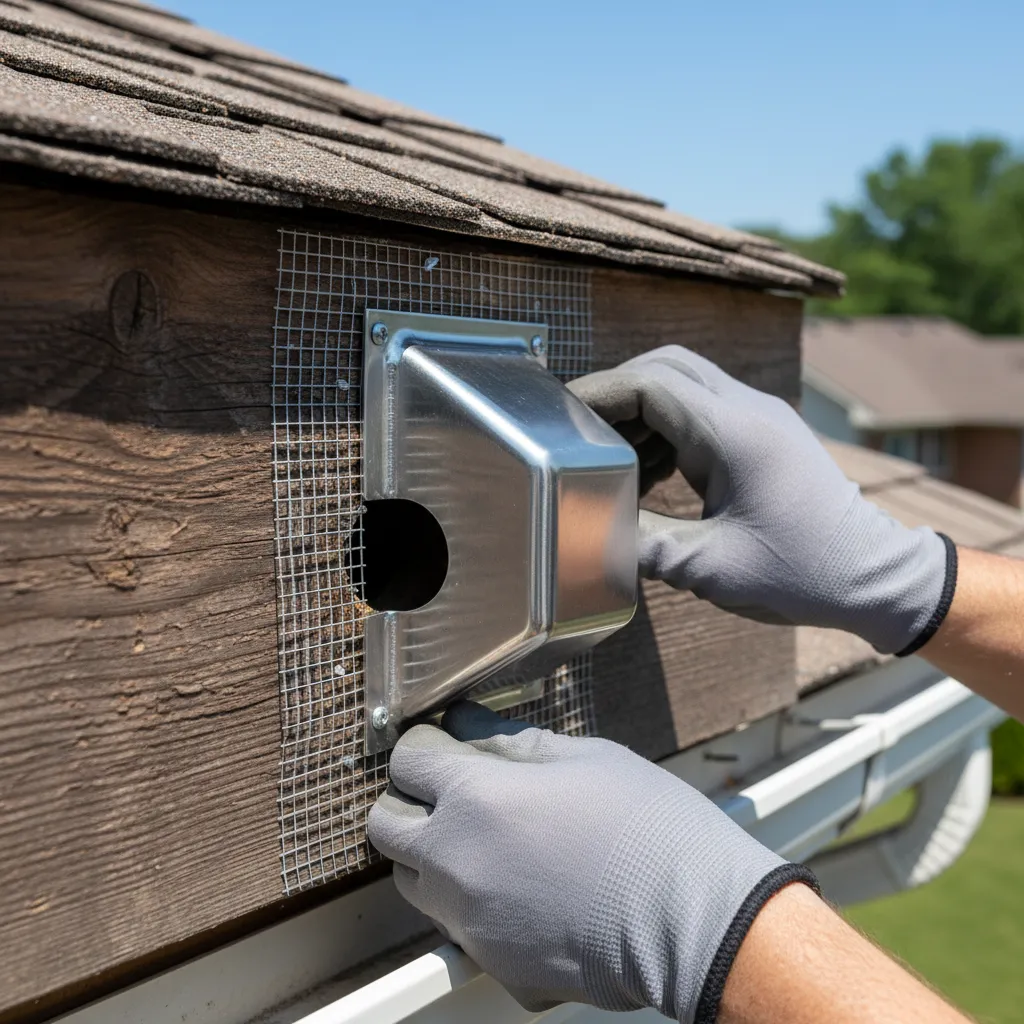
Full Entry Point Sealing
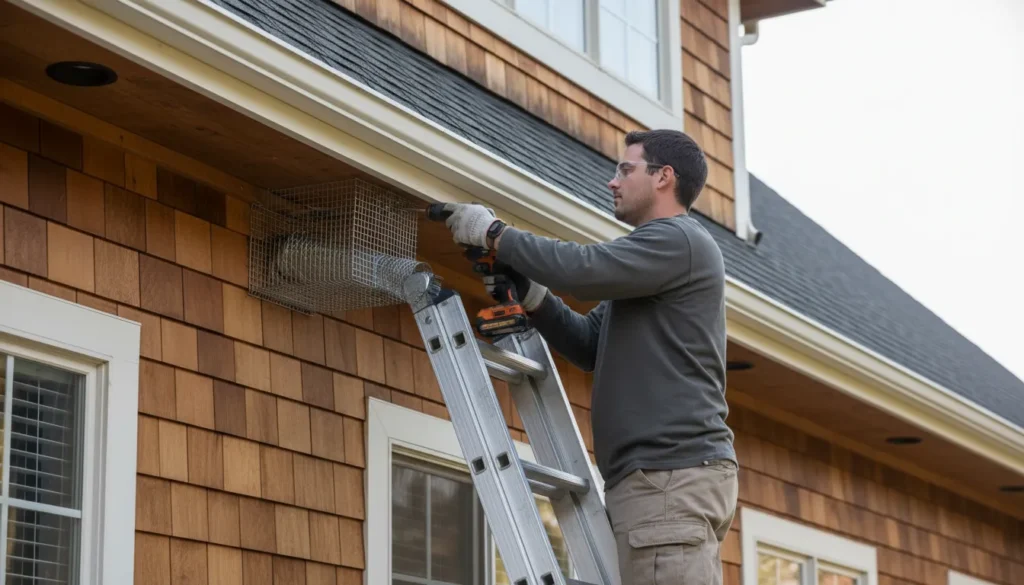
Our team identifies every gap, crack, and access hole along your roof line, soffits, fascia, and eaves, including common entry points found on many homes, then seals them in place with galvanized steel mesh, hardware cloth, and professional-grade sealant to stop re-entry and make your home wildlife proof.
One-Way Door Installation
We install one-way exclusion devices over active entry points so attic-dwelling squirrels can exit but cannot re-enter, allowing you to eliminate the infestation without lethal measures that kill squirrels living in your structure.
Attic Decontamination & Remediation
After we evict squirrels, we take care to sanitize and decontaminate affected areas by removing droppings, urine-soaked insulation, and nest material, then destroy parasites like fleas and ticks.
Warranty-Backed Exclusion Work
Every squirrel exclusion job comes with a written service agreement and follow-up warranty that offers real value, so if squirrels breach a sealed entry point covered by our guarantee, we return and repair it at no additional cost.
Why Choose Our Squirrel Removal & Exclusion Service
Squirrel removal and exclusion is a specialized discipline that demands more than setting a cage trap in an attic. When people are dealing with an animal infestation, they should hire an expert who understands wildlife removal. Sterling Pest Control brings over two decades of hands-on wildlife control experience to every job. We specialize in this work and employ pest management professionals who hold active state licenses and carry full liability coverage, giving you confidence that the work meets all local regulations.
We don’t just catch squirrels. We solve the structural issue that invited them in. Our technicians inspect every inch of your roof line, ridge vents, chimney caps, gutter lines, and soffit panels to see where damage is found and locate gnawed openings and vulnerable gaps. Then we target and seal each entry point with tamper-resistant materials like galvanized flashing, steel wool, and metal mesh screen. That correct approach helps prevent recurring infestations at the source.
Sterling Pest Control follows Integrated Pest Management principles and uses eco-friendly methods whenever possible. We assess the severity of the infestation, identify the squirrel species, and build a custom treatment plan that prioritizes humane, non-lethal techniques rather than bait or poison. Live traps and one-way doors are our primary tools. We relocate captured squirrels, releasing them at approved sites in accordance with state wildlife permits.
Our service agreement includes scheduled follow-up inspections and a written warranty on all exclusion work. If a sealed area fails, we come back and fix it. That guarantee sets us apart from general exterminators who spray and walk away. Homeowners receive year-round protection and the peace of mind that comes when the job is done right. Sterling Pest Control provides a system that works better than the competition, so you get a pest-free home backed by a trusted, award-winning team that stands behind its work.
Signs You Need Squirrel Removal & Exclusion
Squirrel infestations announce themselves in specific, recognizable ways. When you know the common signs of trouble, you can learn what to look for and act before the damage compounds.
Scratching and Scurrying Sounds in the Attic:
Squirrels are diurnal rodents that require year-round rodent control solutions. If you hear rapid scratching, thumping, or running noises overhead during early morning or late afternoon hours, you likely have squirrels nesting in your attic or wall voids. These animals seek warm shelter and are common in every climate. These sounds differ from the nocturnal activity of rats or raccoons.
Visible Gnaw Marks and Chew Damage:
Squirrels gnaw constantly to wear down their own teeth. If you are seeing chewed fascia boards, gnawed soffit panels, and damaged vent covers along your roof line, squirrels are the likely cause. Inside the attic, chew damage on electrical wiring and ductwork creates serious fire hazards and costly repair bills.
Droppings and Urine Staining:
Squirrel droppings resemble small, dark pellets and accumulate near nesting sites. Urine stains on ceiling drywall or a persistent musty odor coming off from above signal a contaminated attic space. These biological deposits on site attract secondary pests like beetles and moths.
Nesting Material in Unusual Places:
Shredded insulation, leaves from surrounding trees, bark strips, and fabric left stuffed into attic corners or wall cavities indicate an active squirrel den. These animals often gather material from your garden and nearby vegetation. Damaged insulation reduces your home’s energy efficiency and creates openings for moisture intrusion.
Exterior Entry Points Along the Roof Line:
Walk your property and look up. Holes chewed through soffit panels, gaps where fascia meets the roof deck, missing chimney cap screens, and displaced vent covers are all confirmed access points. Even a gap the size of a baseball gives a gray squirrel enough room to squeeze through. If you spot any of these signs, do not wait – call a professional who can handle squirrel exclusion before the colony continues to grow.
Our Squirrel Removal & Exclusion Process
Squirrel removal and exclusion is a structured, multi-phase operation. Sterling Pest Control follows a proven sequence that moves forward systematically, addressing both the active infestation and the structural vulnerabilities that caused it. We give homeowners a clear understanding of each step before getting started.
Comprehensive Inspection
A certified wildlife control operator inspects your entire property at your location. We have been serving homeowners for decades and assess the attic, crawl space, roof line, eaves, soffits, chimney, and all vent openings. We identify the squirrel species, locate every entry point, document gnaw marks and chew damage, and note droppings or nesting material. You receive a detailed inspection report.
Custom Treatment Plan
Based on our findings, we build a treatment plan tailored to your property with your needs in mind. The plan specifies trap placement, one-way door locations, exclusion materials, and a projected timeline. We discuss every detail and review it with you so you can think through any questions before any work begins.
Trapping and Eviction
We set live cage traps at active entry points and install one-way exclusion devices where appropriate. Lethal methods are used only as a last resort when there is a conflict with safety regulations. Captured squirrels are relocated to approved release sites per state permit requirements. We monitor traps daily and adjust placement as needed.
Full Exclusion and Sealing
Once all squirrels have been removed, we seal every entry point so you and your family can enjoy a secure home. We use galvanized hardware cloth, steel mesh, metal flashing, commercial-grade caulk, and expanding foam to block gaps, cracks, and crevices. We cap chimneys, screen ridge vents, and reinforce soffit panels. If you wish to add any additional protective measures, we can accommodate your request.
Decontamination and Follow-Up
We remove contaminated insulation, sanitize affected surfaces, and disinfect the space. We then schedule a follow-up inspection that confirms the exclusion is holding. Your warranty activates at project completion.
Brands We Use
Sterling Pest Control selects professional-grade products from trusted manufacturers to deliver reliable squirrel removal and exclusion results.




All products we apply are non-toxic to humans and pets when used as directed. Our technicians follow manufacturer guidelines and EPA-registered protocols on every job. Safety comes first at Sterling Pest Control.
Other Services
Squirrel removal
Squirrel trapping service
Remove squirrels from attic
Squirrel exclusion
Squirrel proofing
Seal entry points squirrels
Squirrel control service
Wildlife squirrel management
One-way door squirrel eviction
Squirrel in attic removal
Attic squirrel exterminator
Humane squirrel capture and relocationtial rodent removal
Professional squirrel removal
Licensed squirrel removal near me
Squirrel damage repair and prevention
FAQs About Squirrel Removal & Exclusion
What does squirrel exclusion involve?
Squirrel exclusion is the process of sealing every entry point on your home’s exterior so squirrels cannot enter or re-enter to search for food or shelter. Our technicians use galvanized hardware cloth, steel mesh, metal flashing, and commercial sealant to block gaps in soffits, fascia, eaves, ridge vents, and chimney openings. Exclusion is the only permanent solution to a squirrel problem. We also offer related services such as bird control and gopher control for lawns.
When is the best time to remove squirrels from an attic?
Late fall and early spring are peak seasons for attic squirrel infestations. Squirrels seek shelter for winter nesting and spring birthing. We recommend scheduling an inspection at the first sign of activity, and we offer same-day or next-day appointments when available. Removing squirrels before a litter is born avoids complications with orphaned juveniles trapped inside wall voids.
Why can't I just seal the holes without trapping first?
Sealing entry points while squirrels are still inside traps them in your attic. Desperate squirrels will gnaw through drywall, chew electrical wiring, and cause extensive structural damage trying to escape. The price of repairs can be significant. Our process removes all squirrels first, then seals the structure.
How long does the squirrel removal process take?
Most residential squirrel removal and exclusion projects take five to ten business days. This is one of our most frequently asked questions. Trapping and one-way door eviction typically require three to seven days of monitoring. Full exclusion sealing and decontamination add one to two days depending on the number of entry points and the extent of contamination.
Can squirrels chew through exclusion materials?
Squirrels can gnaw through wood, plastic, and aluminum. That’s why Sterling Pest Control uses galvanized steel mesh, heavy-gauge hardware cloth, and metal flashing for all exclusion work. Our technicians hold a valid license and are trained to install these tamper-resistant materials that withstand persistent gnawing and last for years.
Does Sterling Pest Control offer a warranty on squirrel exclusion?
Yes. Every squirrel exclusion project includes a written warranty that protects your investment. If squirrels breach any sealed entry point during the warranty period, we return and repair it at no charge. Our follow-up inspections confirm the exclusion remains intact.
Ready to Get Rid of Pests?
Contact Sterling Pest Control today for a free inspection and estimate. Our expert team is standing by 24/7 to help protect your home.