
Mosquito Control
Professional pest control services that deliver lasting solutions for mosquito infestations – trusted pest professionals protecting your outdoor spaces from disease-carrying bugs and recurrent issues
(855) 813-5412
5 Highlights on Mosquito Control
Targeted Barrier Treatments
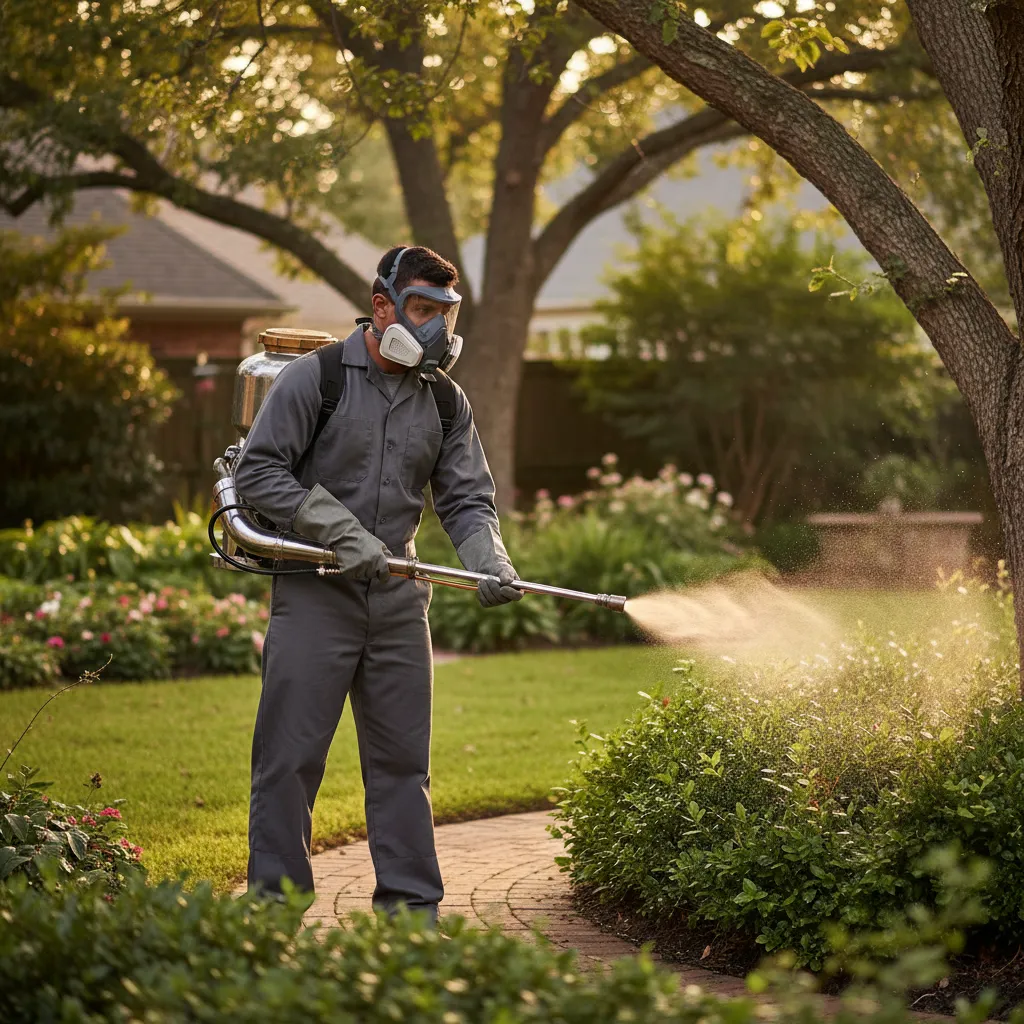
Sterling Pest Control applies residual spray barrier treatments around your yard’s perimeter, vegetation, and undergrowth to exterminate adult mosquitoes and repel new ones for weeks at a time, ensuring lasting protection for your outdoor living space.
Larvicide Applications for Breeding Sites
Our experienced technicians treat standing water, catch basins, storm drains, gutters, and birdbaths with advanced larvicide products like Bacillus thuringiensis (Bti) to remove larvae before they pupate and emerge as biting adults.
Seasonal and Recurring Service Plans
Mosquito populations breed and swarm on seasonal cycles. Sterling offers ongoing monthly and bimonthly service contracts from spring through fall to maintain a pest-free environment and prevent persistent reinfestation on your property.
Disease Vector Reduction
Mosquitoes transmit West Nile virus, Zika, dengue, and Eastern equine encephalitis. Our comprehensive mosquito removal program reduces vector-borne disease risk by eliminating breeding populations near your home, enhancing comfort for your family and pets.
EPA-Registered, Reduced-Risk Products
We fog and mist with EPA-registered, eco-friendly formulations, including botanical pyrethrins and synthetic pyrethroids, that deliver effective pest elimination while remaining biodegradable and low-toxicity around children and pets when applied by a licensed, insured technician.
Our Mosquito Control Services:
Why Choose Our Mosquito Control
Mosquito control is a specialized discipline that demands entomological knowledge, proper licensing, and the right equipment. Sterling Pest Control brings all three to every property we treat, delivering quality service and reliable results you can trust.
Our expert technicians hold state pesticide applicator certifications and complete annual training in integrated pest management (IPM) protocols. They don’t just spray and leave. They perform a full inspection of your entire property for breeding sites – stagnant water in tires, clogged gutters, low spots in your lawn, neglected rain barrels – and handle the root cause of your mosquito problem with attention to detail.
We use commercial-grade backpack sprayers, truck-mounted sprayers, and ULV cold foggers that deliver precise, ultra-low volume applications. This advanced equipment disperses product more evenly and effectively than any consumer fogger you’ll find at a hardware store. The difference in knockdown and residual control is measurable, delivering real value for your investment.
Sterling backs every mosquito control treatment with a customer satisfaction guarantee. If mosquito activity persists between scheduled visits, we’ll retreat your property at no additional cost. That commitment keeps us accountable and keeps your yard usable year-round.
We also create a tailored treatment plan for your property’s specific habitat conditions. A home bordering a wetland or floodplain needs a different strategy than a suburban lot with a decorative pond. Our inspectors assess vegetation density, canopy cover, drainage patterns, and proximity to public water sources before recommending a formulation or application method. You get a targeted plan with transparent pricing, not a generic one.
Signs You Need Mosquito Control
Mosquito control becomes necessary when the signs go beyond an occasional bite at dusk. Here are five indicators that your property has a mosquito issue requiring professional pest control services and prompt attention.
You're Getting Bitten During Daytime Hours:
Aedes mosquitoes – the species that transmit Zika and dengue – feed aggressively during the day. If you’re swatting mosquitoes at noon while standing in your driveway, you’re dealing with a daytime-biting species that has established a breeding population nearby. This isn’t normal nuisance activity. It signals an infestation that won’t resolve on its own and requires expert intervention to achieve lasting relief.
Standing Water Has Accumulated on Your Property:
Mosquitoes need as little as a bottle cap of stagnant water to lay eggs. Puddles in flower pot saucers, water pooling on tarps, clogged gutters, and unmaintained birdbaths all function as active breeding sites. If you see standing water that’s been undisturbed for more than five days, larvae are likely already developing in it – a hidden pressure point that demands immediate maintenance.
You Notice Mosquito Larvae in Water Sources:
Larval mosquitoes look like small, wriggling commas just below the water’s surface. Check your rain barrels, catch basins, ornamental ponds, and septic tank openings. Visible larvae confirm active reproduction on your property and call for immediate larvicide application and trap placement from a trusted pest control company.
Mosquito Activity Increases Every Evening:
Culex mosquitoes – the primary vector for West Nile virus – swarm at dusk and remain active through the night. A noticeable cloud of mosquitoes hovering near your porch lights, your front door, or around your deck each evening means a large adult population is feeding and breeding in your immediate area, affecting your comfort and outdoor experience.
Your Neighbors Are Reporting Mosquito Problems:
Mosquitoes disperse across property lines. If surrounding homes report heavy mosquito activity or your local abatement district has issued advisories, your property is at risk even if you’ve maintained it well. A preventive barrier treatment can deter migrating mosquitoes from colonizing your yard – contact us for a free estimate and no-obligation quote.
Our Mosquito Control Process
Mosquito control at Sterling Pest Control follows a structured, repeatable process designed to eliminate existing populations and prevent new ones from establishing. Our focus on planning and timing ensures effective pest control with same day service available when you need it most.
Property Inspection
A licensed technician inspects your entire property on foot. They identify all standing water sources, map breeding sites, assess vegetation density, and note harborage areas where adult mosquitoes rest during the day – shaded undergrowth, dense mulch beds, tree canopies, and structural overhangs. This guide for treatment ensures nothing is overlooked.
Breeding Site Elimination
The technician drains, removes, or treats every identified breeding site. Stagnant water in gutters, tires, and containers gets dumped. Permanent water features like ponds, catch basins, and rain barrels receive a larvicide treatment using Bti granules or methoprene growth regulators to kill larvae and prevent pupation – removal services for the most common sources of infestation.
Barrier Treatment Application
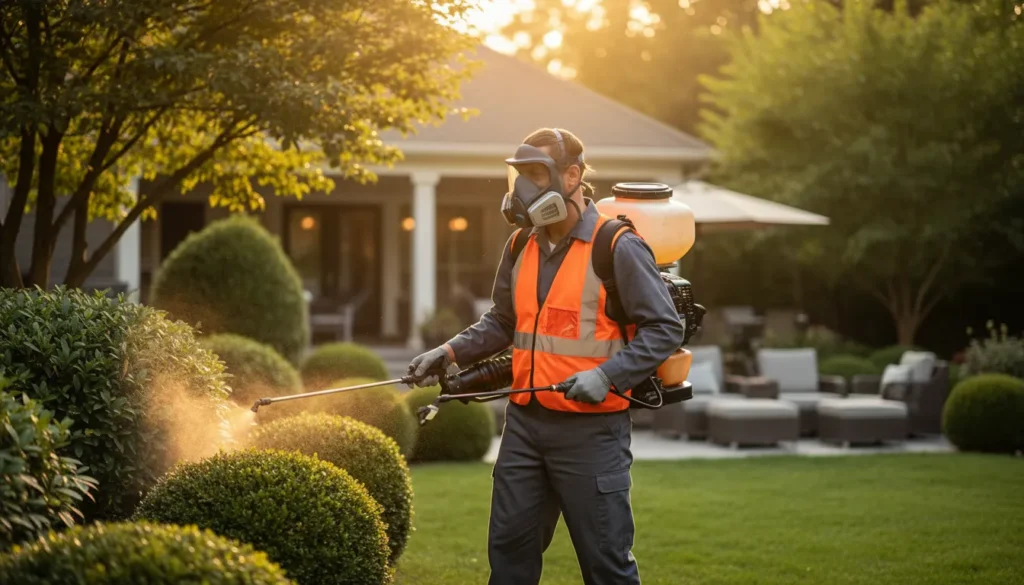
Using a backpack sprayer or misting system, the technician applies a residual pyrethroid spray to all vegetation, fence lines, tree trunks, and shaded resting areas around your property’s perimeter. This barrier treatment kills adult mosquitoes on contact and continues to repel and exterminate them for three to four weeks, enhancing your living space.
Targeted Fogging
For heavy infestations, we deploy ULV cold fog or thermal fog applications to knock down large adult swarms quickly. This step treats open lawn areas, patios, decks, and outdoor spaces where mosquitoes actively feed – professional pest solutions that specialize in rapid population reduction.
Monitoring and Follow-Up
We document every treatment in a detailed inspection report and schedule your next visit based on your service contract. Between visits, we provide ongoing support and monitor conditions, retreating if mosquito activity returns before your next scheduled appointment – on-time service you can trust.
Brands We Use
Mosquito control products must be EPA-registered, commercially proven, and matched to the target species. Sterling Pest Control selects professional-grade brands trusted across the pest control industry.









Our technicians wear proper PPE — respirators, gloves, and coveralls — during every application and follow all label directions for buffer zones, reentry intervals, and environmental safety.
Other Services
Mosquito control
Mosquito treatment service
Standing water breeding site elimination
Mosquito exterminator
Mosquito pest control company
Barrier spray for mosquitoes in yard
Mosquito spraying service
Professional mosquito spray
Larvicide application for mosquito larvae
Mosquito prevention
Mosquito abatement service
West Nile virus mosquito protection
Mosquito control near me
Residential mosquito treatment
Outdoor mosquito fogging and misting
FAQs About Mosquito Control
What does professional mosquito control include?
Professional mosquito control includes a full inspection of your property, breeding site identification and elimination, larvicide application to standing water, residual barrier treatment on vegetation and perimeter areas, and targeted fogging for active adult populations. Sterling Pest Control combines all of these steps into a single service visit for comprehensive termite control-level thoroughness applied to mosquito removal.
When should I start mosquito control treatments?
Mosquito control treatments should begin in early spring when temperatures consistently reach 50°F and mosquito eggs start to hatch. In most regions, that means scheduling your first treatment in April or May. Continuing treatments through October covers the full breeding season and prevents late-season swarms. Proper timing is essential for year-round protection.
Why aren't store-bought mosquito repellents enough?
Consumer citronella candles, bug zappers, and retail foggers provide temporary, localized relief at best. They don’t treat breeding sites, don’t apply residual insecticide to harborage areas, and can’t match the coverage of commercial backpack sprayers or ULV foggers. Professional pest control addresses the full lifecycle – eggs, larvae, pupae, and adults – across your entire property for effective pest elimination.
How often do I need mosquito control service?
Most residential properties need treatment every three to four weeks during mosquito season. Properties near wetlands, ponds, marshes, or floodplains may need biweekly service. Sterling builds a treatment plan around your property’s specific conditions and adjusts frequency based on monitoring results. Contact us for an estimate tailored to your business or residential needs.
Can mosquito control reduce disease risk?
Yes. Mosquitoes are confirmed vectors for West Nile virus, Zika, dengue, chikungunya, Eastern equine encephalitis, and heartworm in pets and animals. Reducing the mosquito population on and around your property directly lowers the chance of a disease-carrying bite. The CDC and public health departments recommend professional mosquito abatement as a frontline measure for vector-borne disease prevention.
Does mosquito spraying harm bees or other beneficial insects?
Sterling Pest Control applies targeted treatments during early morning or late evening hours when pollinators are least active. We avoid spraying flowering plants directly and use formulations with low residual toxicity to non-target species. Our technicians follow all EPA label guidelines and IPM best practices to minimize impact on beneficial insects while still delivering effective mosquito control that you can trust.
Ready to Get Rid of Pests?
Contact Sterling Pest Control today for a free inspection and estimate. Our expert team is standing by 24/7 to help protect your home.